
Your Skin Is Not Complicated
Share
Somewhere along the way, many women come to believe that their skin has become “difficult.” Especially in your 40s, when things suddenly feel different, it’s easy to assume something has gone wrong. The glow you used to rely on seems inconsistent. Products you loved no longer behave the same way. Dryness, breakouts, or sensitivity appear out of nowhere.
But your skin is not complicated. It’s communicating.
When we shift from seeing skin as a problem to seeing it as a messenger, everything changes. Instead of reacting with frustration and more products, we begin responding with curiosity and support.

Hormonal Skin Changes in Your 40s
One of the biggest drivers behind changes in skin in your 40s is hormonal fluctuation. During perimenopause, oestrogen levels begin to rise and fall in a less predictable rhythm. Oestrogen plays a vital role in maintaining collagen production, skin thickness, elasticity, and hydration. As levels fluctuate, your skin can start to feel thinner, drier, and less resilient.
You may notice that fine lines look more visible even though your routine hasn’t changed. Your skin might suddenly feel tight in areas where it used to be balanced. Some women experience hormonal breakouts along the jawline and chin, even if they haven’t dealt with acne in decades. Others find that their skin becomes reactive to products they have used for years without issue.
This is not your skin misbehaving. It is responding intelligently to internal change. Hormonal skin changes are not random; they are biological. Once you understand this, the panic softens. You realise you are not failing your skin. Your body is simply transitioning.
The Skin–Lifestyle Connection
Hormones are only part of the story. Your skin is deeply connected to your nervous and digestive systems and to your sleep cycles. When life becomes busier, heavier, or more stressful, your skin often reflects that load.
Stress increases cortisol levels, and chronically elevated cortisol can weaken the skin barrier and accelerate collagen breakdown. This can show up as inflammation, dullness, or unexpected breakouts. If your skin flares during intense periods at work or emotionally demanding seasons, it is not a coincidence. Your skin is mirroring your internal state.
Sleep is another powerful influence. During deep sleep, your body carries out repair processes that support collagen production and cellular renewal. Fragmented or reduced sleep, which is common during perimenopause, can leave the skin looking tired and less resilient. Dark circles deepen, healing slows, and the complexion can appear flat.
Digestion also plays a quiet but significant role. The gut and skin are connected through what is known as the gut–skin axis. When digestion is sluggish or inflamed, it can manifest externally as redness, congestion, or sensitivity. Often, before reaching for a new active ingredient, it is worth gently reflecting on whether your stress levels, sleep quality, or diet have shifted.
The Overcorrection Mistake
When your skin changes, the instinct is often to fix it quickly. You add a stronger exfoliant, a potent retinol, a resurfacing acid, or the latest trending serum promising transformation. Each new product is layered with hope.
Unfortunately, this is where many women unintentionally make things worse. Over-exfoliation and excessive active ingredients can disrupt the skin barrier, stripping away protective lipids and disturbing the microbiome. Once the barrier is compromised, the skin loses water more easily and becomes prone to irritation. Dryness increases. Sensitivity escalates. Breakouts can even worsen.
Then, more products are added to correct the reaction, creating a cycle of confusion and inflammation.
In reality, perimenopause skin care often requires less intensity, not more. Skin in your 40s is more sensitive to extremes. It responds best to steady, consistent support rather than aggressive correction.
The Power of Observation
One of the most transformative steps you can take is simply slowing down. Instead of reacting immediately to every shift, begin observing patterns. Notice how your skin feels during different phases of your cycle. Pay attention to whether stress correlates with flare-ups. Reflect on whether certain foods or lack of sleep influence dryness or congestion.
This practice reconnects you with your body. Your skin becomes less of an unpredictable enemy and more of a guide. When you allow space to observe, you start responding thoughtfully instead of impulsively.
Skincare then becomes less about control and more about a relationship.
A Simple Three-Step Reset
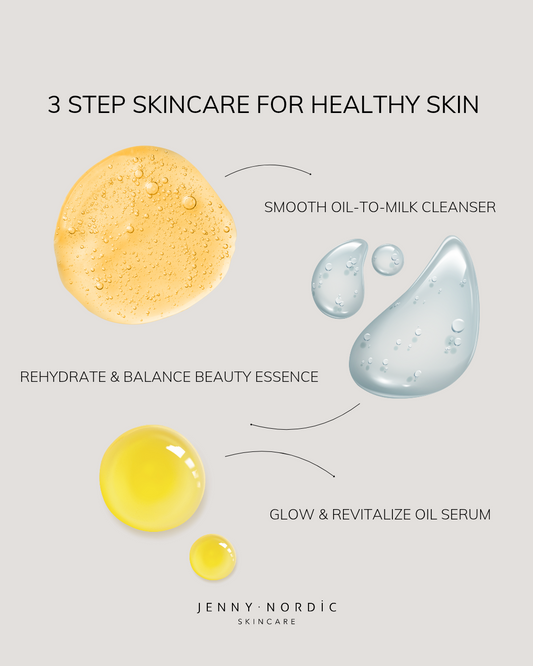
If your skin feels overwhelmed, the most powerful reset is often the simplest one. A simplified skincare routine focused on barrier repair can calm inflammation and restore balance within weeks.
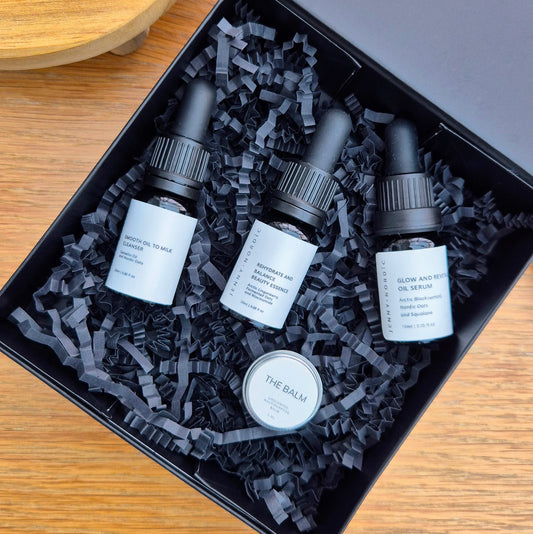
Begin with a gentle cleanse. Choose a cleanser that removes makeup and impurities without leaving your skin tight or squeaky. The goal is comfort and cleanliness, not stripping. Cleansing should leave your skin feeling soft and refreshed.
Next, restore hydration. A hydrating essence or serum containing humectants such as glycerin or hyaluronic acid can help replenish water levels within the skin. Hydration improves suppleness and reduces the appearance of dehydration lines, which are often mistaken for permanent wrinkles.
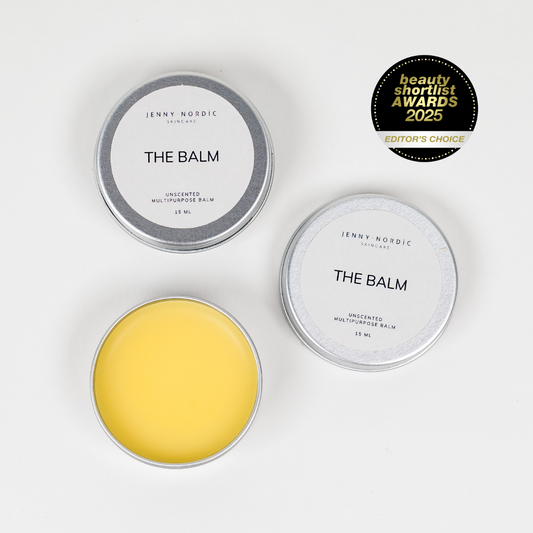
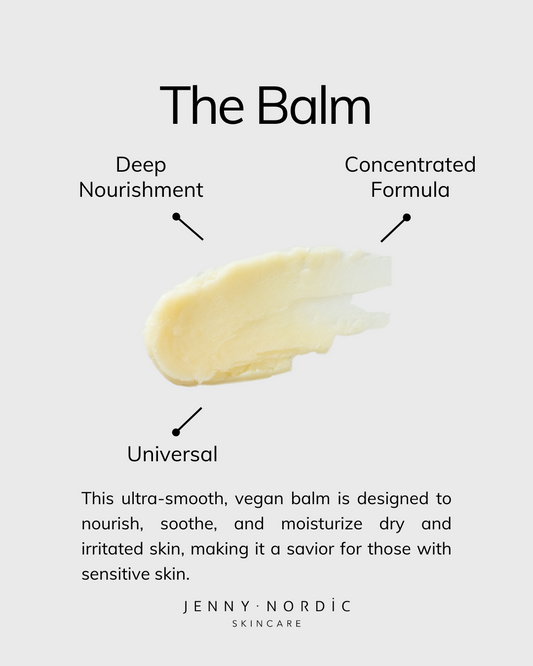
Finally, nourish and protect the barrier. In your 40s, natural sebum production declines, which makes replenishing lipids essential. A high-quality facial oil or balm rich in essential fatty acids helps reduce water loss and strengthen the barrier. Instead of quickly rubbing it in, take a moment to press it gently into your skin. This small pause supports not only absorption but also nervous system regulation.
When practised consistently, this minimal routine allows your skin to recalibrate. Inflammation settles. Sensitivity decreases. Glow returns gradually and sustainably.

Redefining the Relationship
Midlife skin is not about fighting ageing or chasing unrealistic standards. It is about supporting a body that is evolving.
When you reframe hormonal skin changes as communication rather than failure, frustration transforms into empowerment. You start asking different questions. Instead of “What do I need to fix?” you begin asking, “What does my skin need right now?”
Often the answer is surprisingly simple: more rest, more nourishment, fewer products, slower rituals, and consistent care.
Your skin is not complicated. It is adaptive, intelligent, and responsive. It reflects your inner world with honesty. When you meet it with patience instead of panic, you create space for true balance.
And that steady, luminous glow you are searching for does not come from doing more. It comes from understanding what your skin has been telling you all along.
Always here, rooting for you to glow
Jenny
Holistic skin therapists and gua sha educator
PS. For daily skincare tips and inspiration, follow us on Instagram